What developmental editing actually is — and what it isn't
The term gets used loosely. Here's what it means to edit at the level of structure, argument, and intention — before a single sentence gets polished.
Editing that takes your argument seriously — and your voice even more so. For the writers who have something to say and need help saying it precisely.
Enquire about your project— boutique editorial for writers who mean it


We believe that where you write from is as important as what you write. morningsky editorial exists to bring clarity, rigour, and care to work that is rooted in real places, real questions, and real stakes.
AI tools are genuinely useful for certain things — catching typos, smoothing awkward phrasing, generating a first draft when you're stuck. We're not here to pretend otherwise.
But editing is not proofreading. And an argument is not a sentence.
What a language model cannot do is read your work as a situated human reader — one who understands what is at stake in your thesis, what your community expects of your novel, what gets lost when Caribbean syntax gets autocorrected into Standard English. It has no investment in your work. It has no judgment about whether your argument is actually convincing, or just grammatically correct.
That judgment is what you're hiring for.
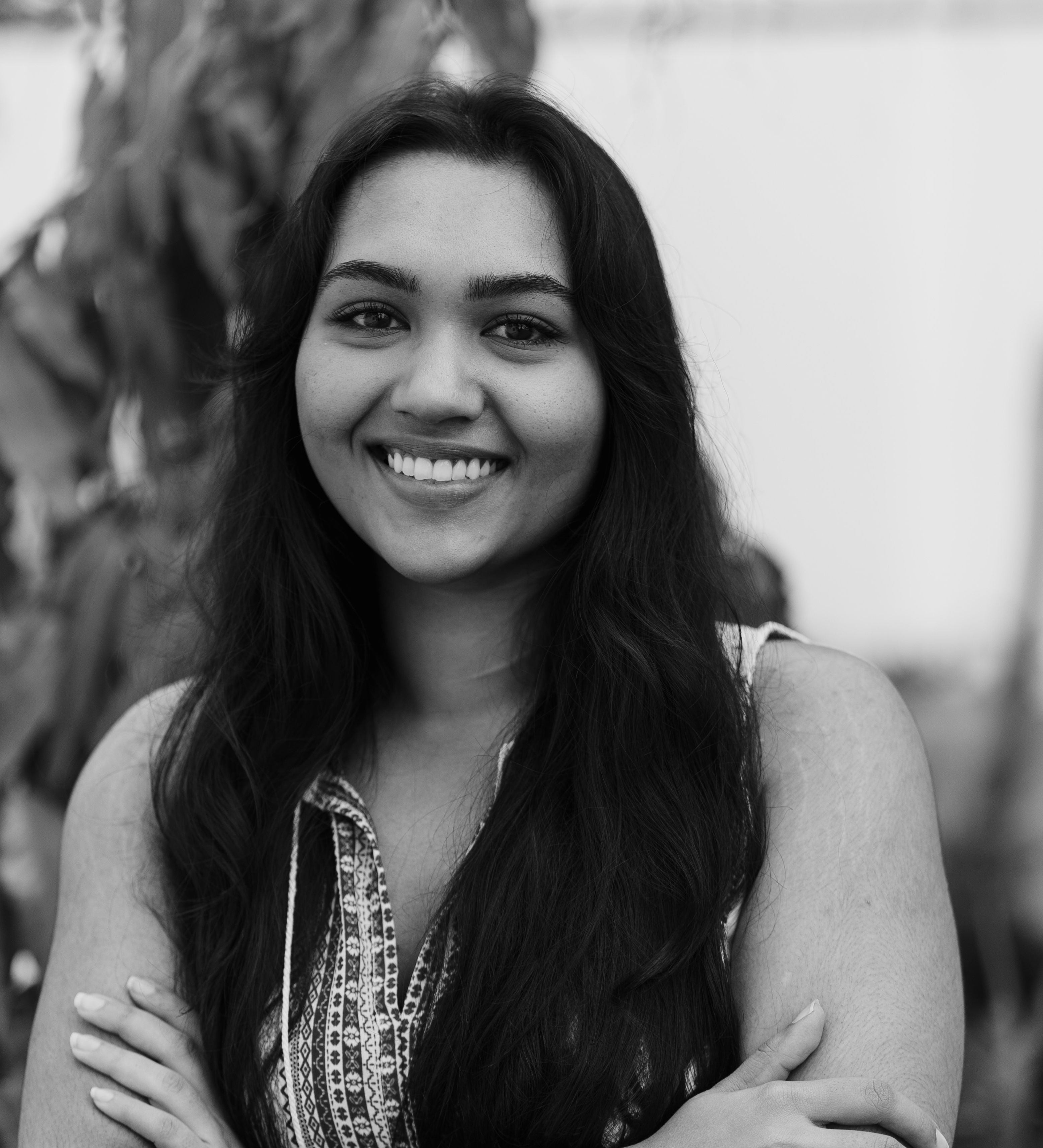
Editor · Writer · Feminist scholar
A feminist, youth activist, and published writer from Trinidad and Tobago. Her editorial practice is shaped by years at the intersection of gender, development, and decolonial thought — bringing that same critical attention to every manuscript she touches.
Celine believes that who edits your work matters as much as how it gets edited. Her practice is grounded in the conviction that writing from the margins — Caribbean writing, Global South scholarship, work that sits outside the Anglo-American mainstream — deserves editorial care that understands its context, not one that flattens it into legibility for the wrong audience.
"Interventions must be responsive to the needs of their respective communities. Young people should be included as key stakeholders in data collection, implementation, and monitoring." — UN Data & Evidence Summit, Geneva 2023
Areas of focus
Structure, argument, and arc. For manuscripts at any stage that need a sharp eye on the whole.
Let's talkGrammar, consistency, and precision — without touching what makes your voice yours.
Let's talkAcademic rigour meets human clarity. We know the standards — and how to meet them without losing you in the prose.
Let's talkA full written report on your work's strengths, weaknesses, and next steps. No line edits — just honest, useful perspective.
Let's talkThe pitch that gets you read. We edit query letters and synopses for writers ready to approach agents.
Let's talk
Postgraduate researchers who need their argument to land — clearly, convincingly, and on time.
First-time authors finding the shape of their story. We work at the level of the sentence and the structure, both.
Writers from the Global South whose work deserves an editor who understands its context — not one who flattens it.
Writing on craft, method, and the work of words.

The term gets used loosely. Here's what it means to edit at the level of structure, argument, and intention — before a single sentence gets polished.

The literature review is where most theses stall. Not because the research isn't there — but because the writer hasn't yet decided what they think.

Standard editing often treats regional syntax, rhythm, and reference as errors to be corrected. We don't. Here's why that matters.